Nature meets brutalism at the Barbican Conservatory
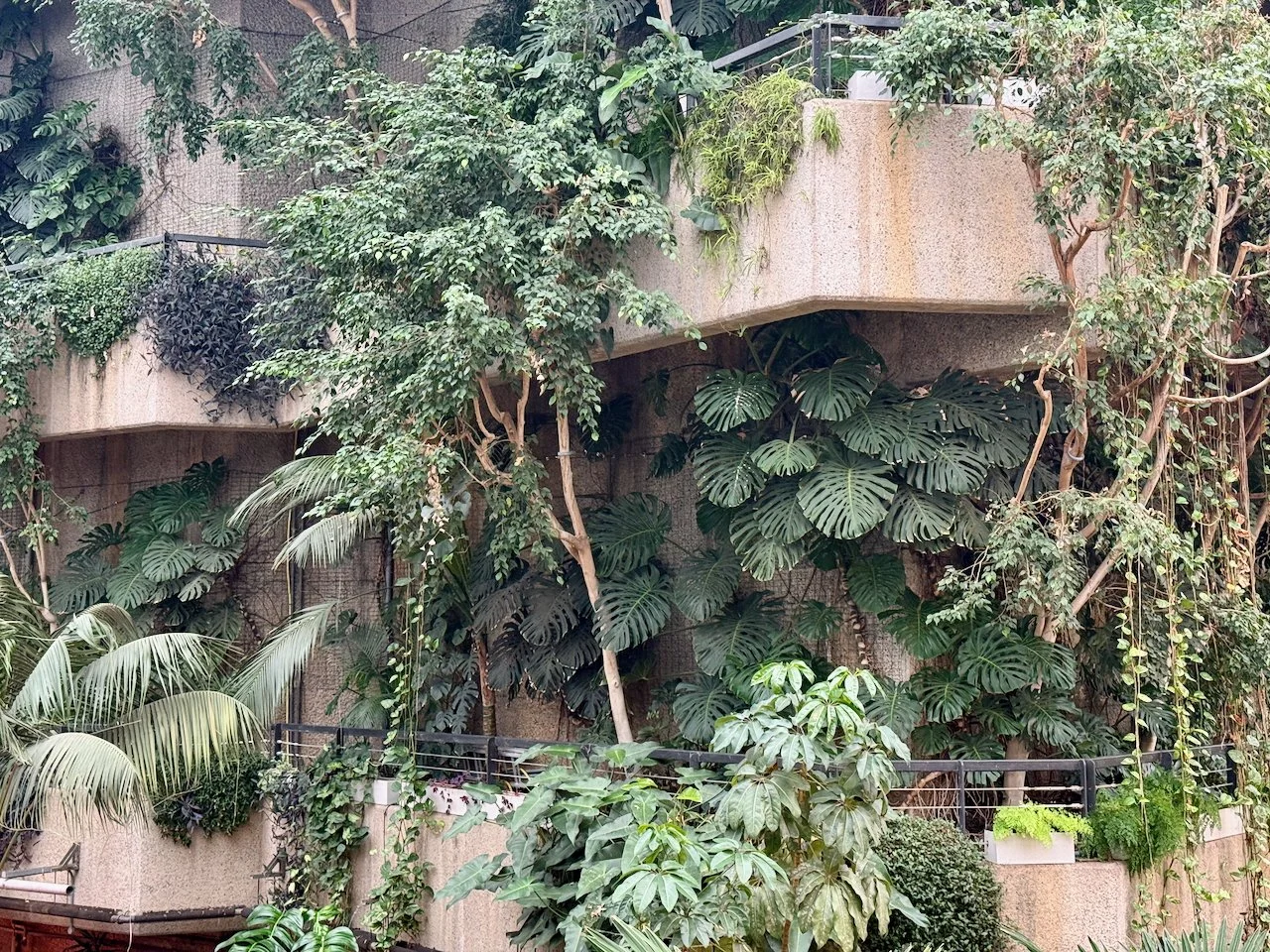
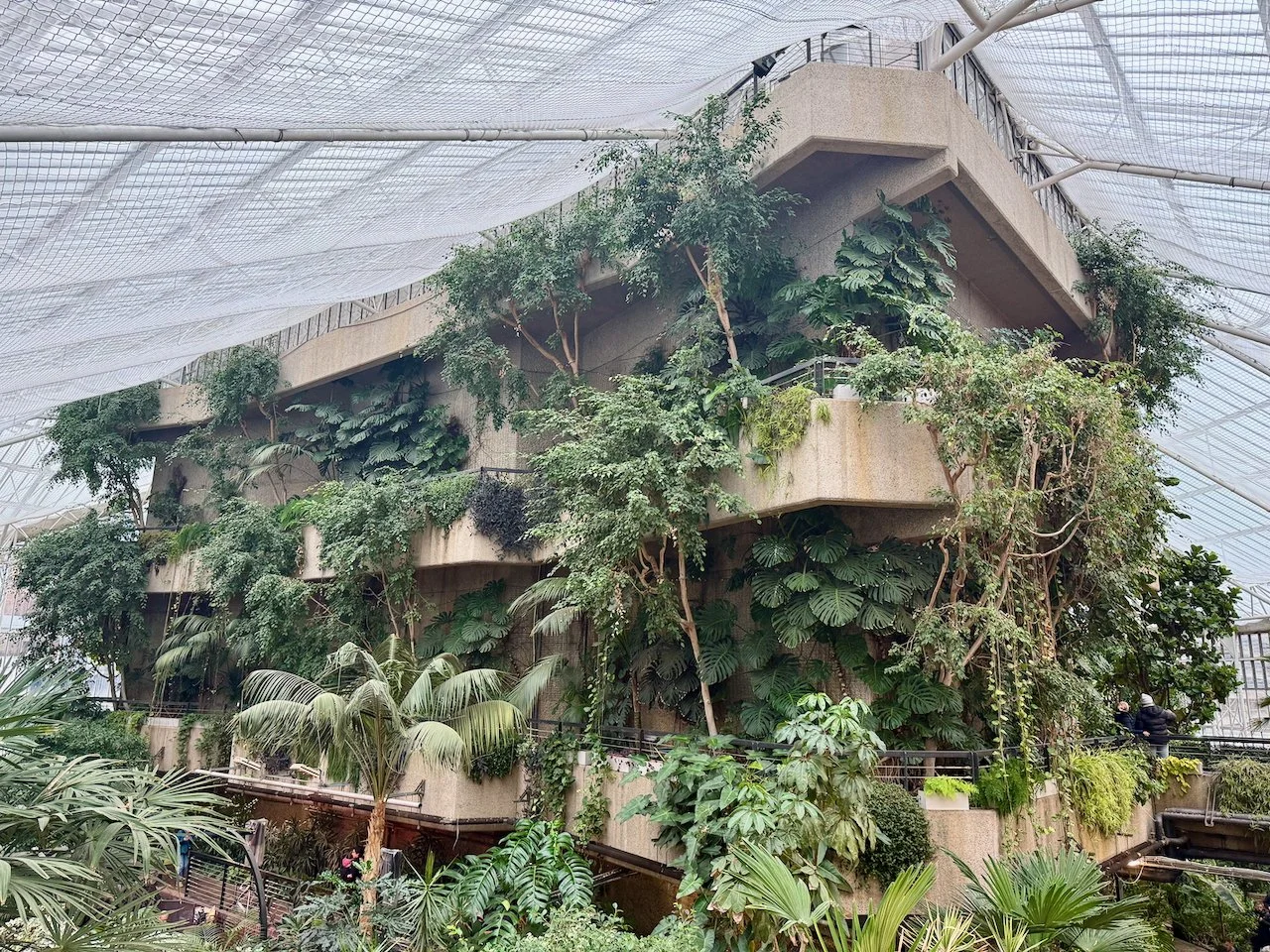
I’ve been wanting to go here for years, then recently went twice in a week. The Barbican Conservatory is part of the Barbican Estate in the City of London, which also incorporates the Barbican Centre, which includes theatre, art and cinema.
The Conservatory is the second largest in London, after Kew Gardens’ Princess Diana Conservatory. (If you’re wondering, as I did, what the difference between a greenhouse and a conservatory is, well, greenhouses are designed specifically to grow plants, and conservatories are a living space for people, with plants also existing. This definition doesn’t do justice to either the Barbican or Princess Di conservatories, where there are are thousands of plants in both.)
Anyway, it was worth the wait.
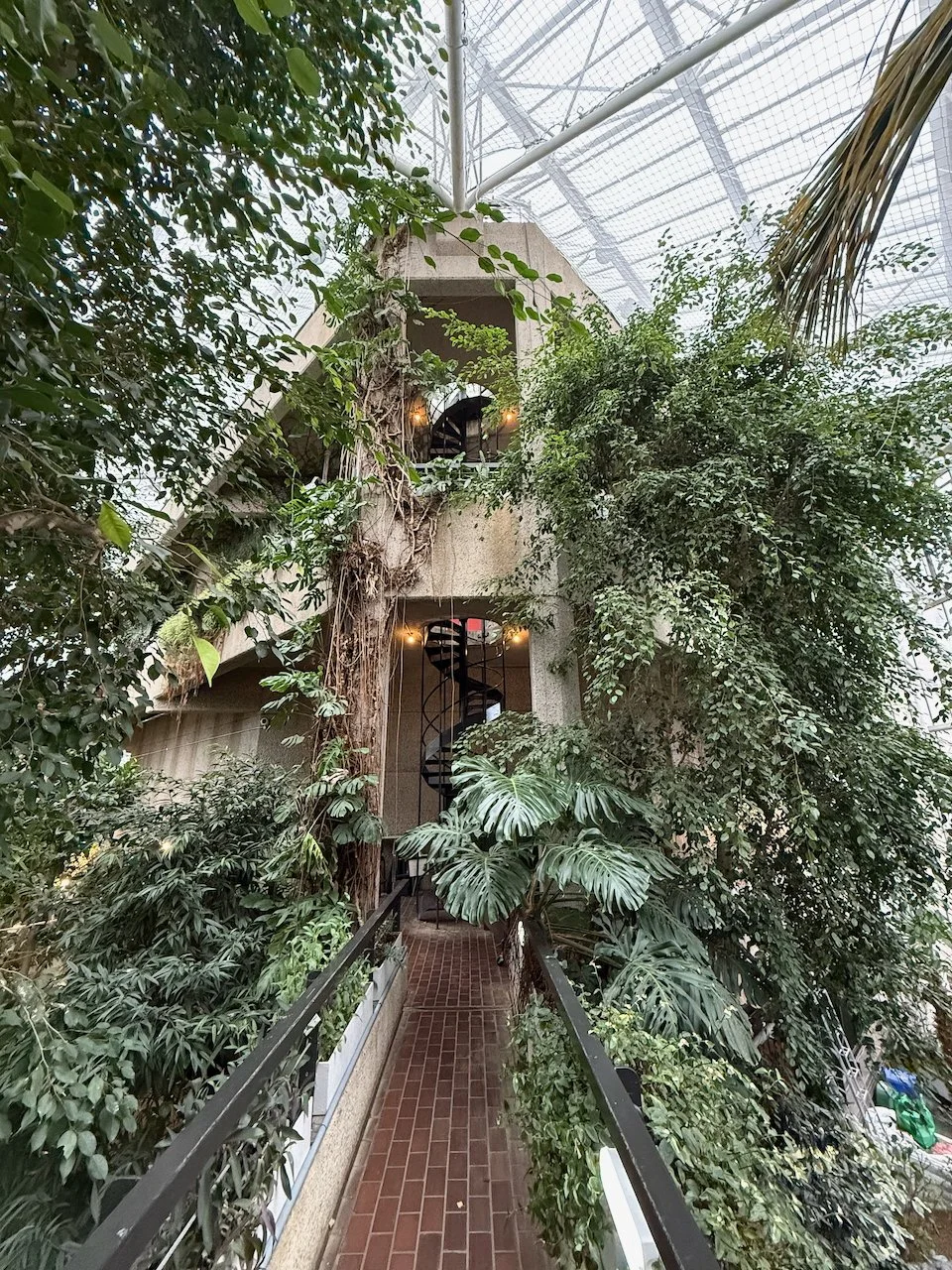
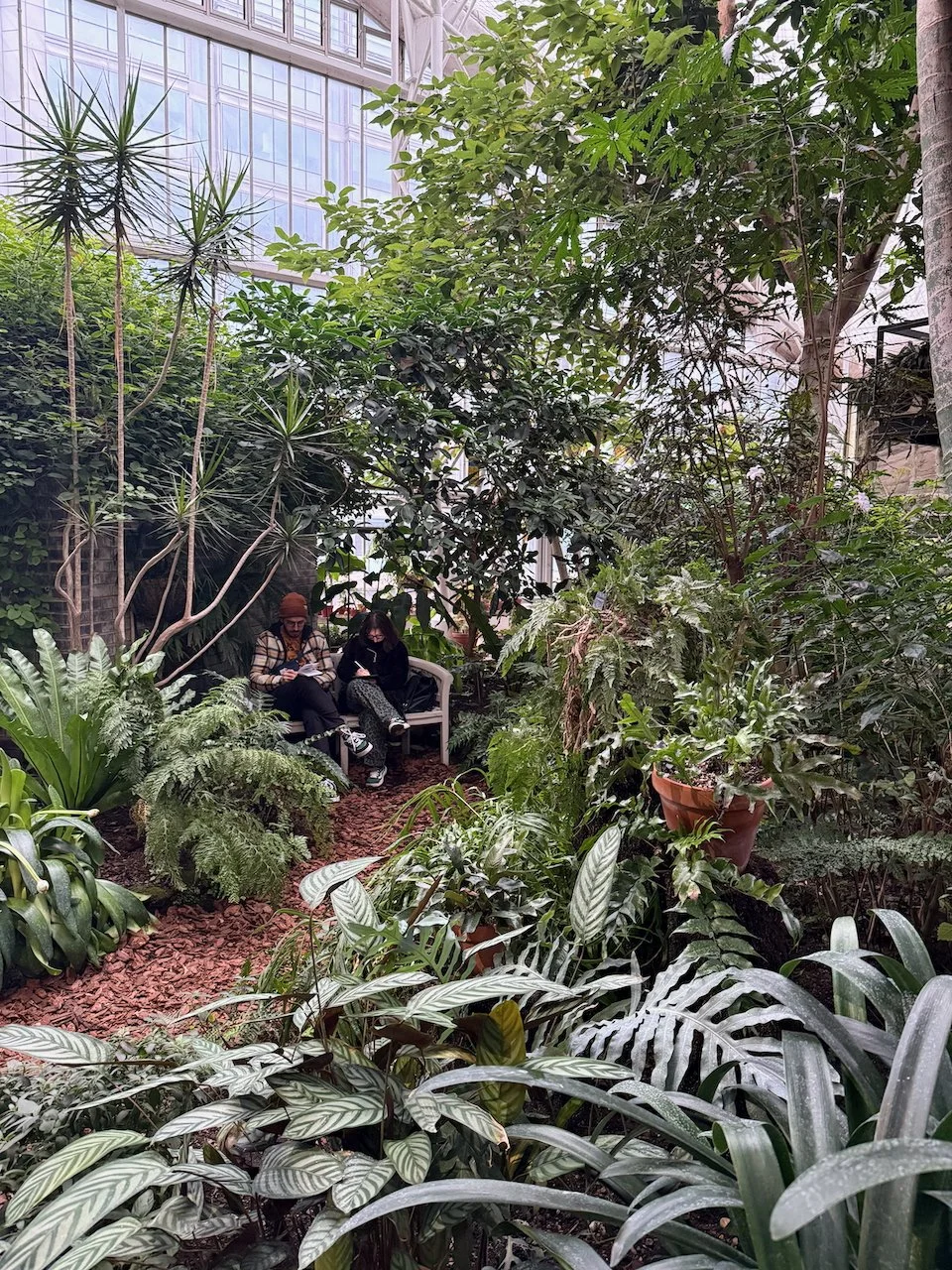
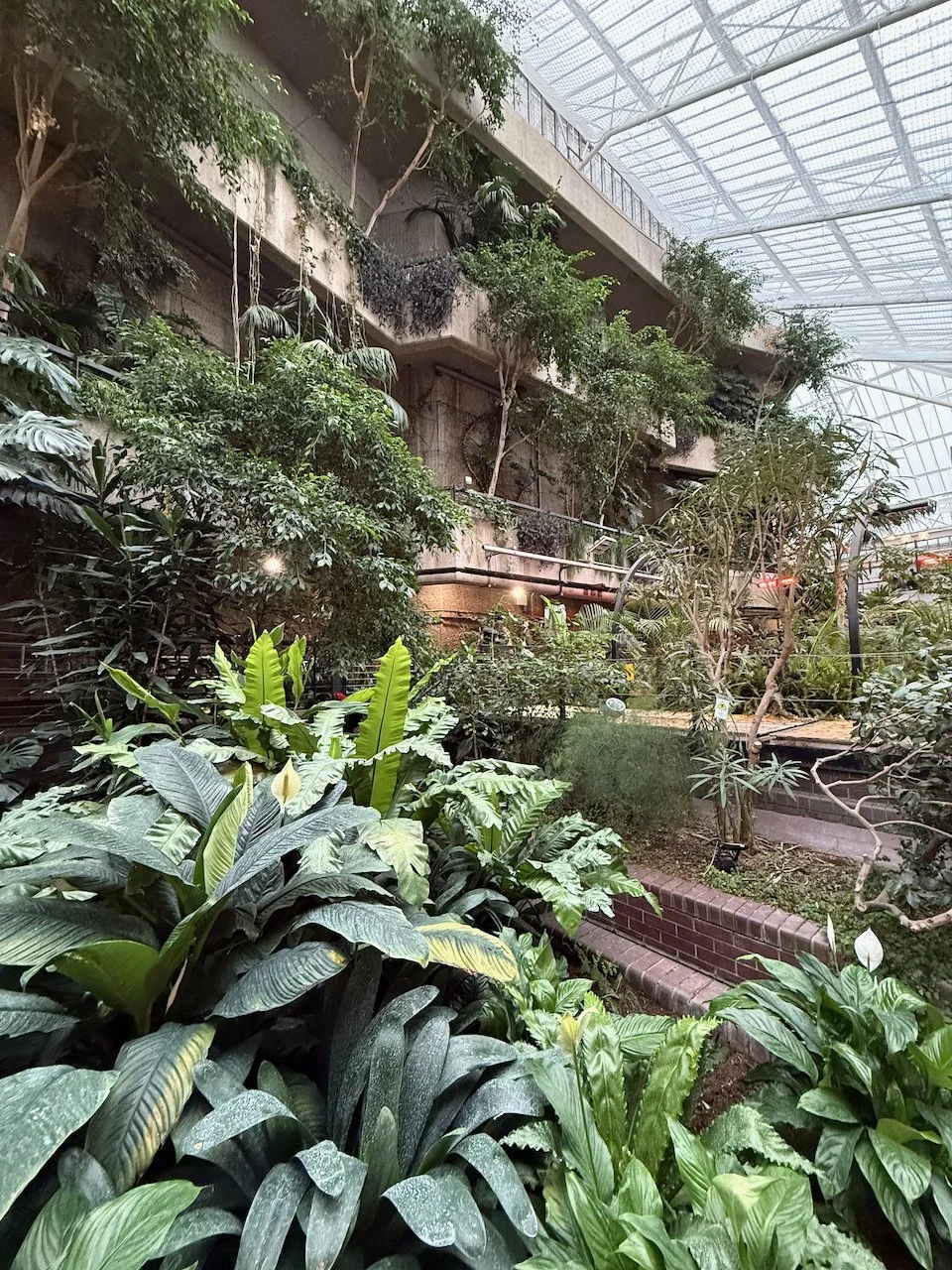
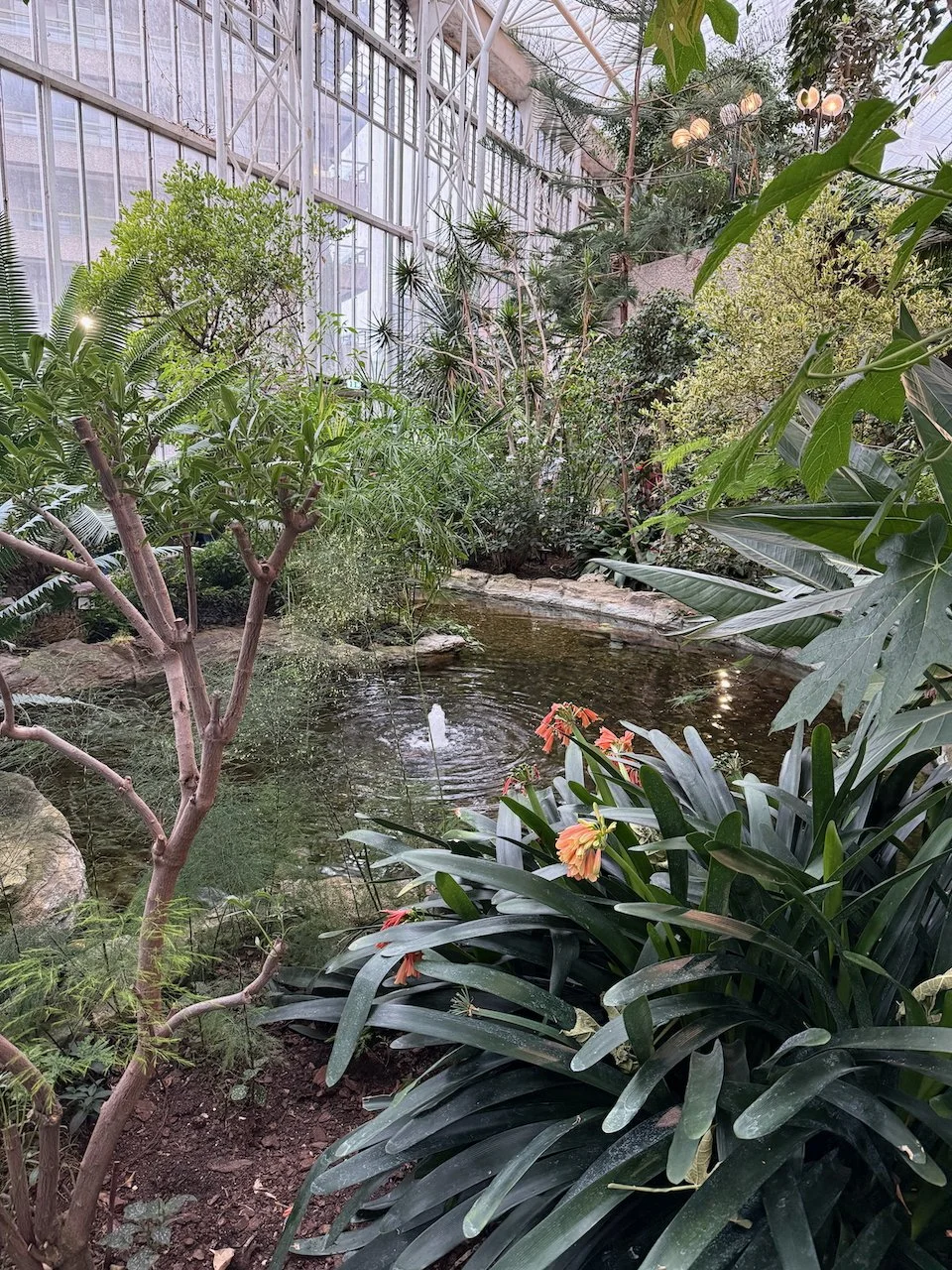
Originally started in the early 1980s to cover the theatre’s fly tower (an area above the stage where the rigging and sets are stored), it has since blossomed into a tropical rainforest housing over 1,500 plants and trees. A wide mix of temperate and arid types of flora grows here, including palm and fern trees, banana plants, the exotic birds of paradise, orchids and many more, There are also three ponds with koi, ghost, and grass carp, and terrapins. It’s a delight sauntering around the walkways, finding little nooks and crannies, and being immersed in the tropical verdant atmosphere; I almost forgot I was in the heart of London.
Post-Costa Rica, any attempt in the U.K. at a rainforest (Eden Project, Kew Gardens) prompts me moaning along the lines of “If this was Costa Rica, they’d be sloths/snakes/birds etc” and “this place really needs some wildlife”. However, the second time I went was at night (it stays open until 10pm) and we sat by the bar (yes there’s one in the conservatory) with a pint. The place had emptied out somewhat, and my plea for wildlife was answered – suddenly tiny mice came up from underground and started running around. They were very sweet.
• The conservatory features on the cover of the cool book Brutalist Plants by Olivia Broome.
• The Barbican Conservatory is free to visit, though you do need to book in advance.
Previously on Barnflakes
Top 13 Brutalist buildings (that I’ve visited)
Alton Estate of Mind – the book, revised and redesigned
Concrete patterns
Battle of the Brutalists
Elsewhere on Barnflakes
Alton Estate of Mind